Accommodation
Top 3 Phu Quoc Luxury Villa Resorts & Beachfront Rentals
Picture stepping out of bed, crossing a few meters of terrace to your own pool, and walking on...
Your Paradise Awaits — Discover the Best of Phu Quoc Island!

If you’re planning your first trip to Vietnam’s biggest island, you’ve probably typed the same question everyone does: is Phu Quoc expensive? Or, more precisely, how expensive is Phu Quoc once flights, hotels, meals and activities are all added up? And right behind it comes the quieter worry: will I get overcharged because I’m a tourist?
Here’s the reassuring part. Phu Quoc costs more than mainland Vietnam, but it’s still cheaper than Phuket, Koh Samui or Bali’s busiest areas. And the “gotcha” moments people fear, like surprise seafood bills, are easy to avoid once you know the two or three questions to ask.

For a quick overview of what to expect, here is a breakdown of average daily costs and prices on the island:
By Vietnamese standards, yes. By regional standards, no. Expect to pay roughly 10–30% more than in Da Nang or Nha Trang for the same hotel, dinner or scooter, and noticeably less than on Thailand’s famous islands.
The reason is simple geography. Almost everything on an island, from vegetables to beer, arrives by ferry or plane, and that cost quietly sits inside your bill. Local food is the exception: a noodle bowl costs about the same here as anywhere in the country.
Sometimes, but rarely in dramatic ways, and it’s mostly avoidable. Prices for tourists are usually a little higher than locals pay, and the real risk is unclear pricing rather than outright fraud. A few habits keep you safe:
Most owners are honest and friendly. Asking the price up front simply makes the conversation easy for both sides.

No, and this is where the island shines. A comfortable mid-range hotel in Phuket often costs $80–120 a night, while a similar room on Phu Quoc is commonly $25–60. Restaurants and drinks follow the same pattern. If you’re choosing between Vietnam’s island and a famous Thai one, Phu Quoc usually leaves more cash in your pocket.

Rooms are the biggest swing factor in your budget. Typical nightly ranges:

Prices climb from roughly November to April and on weekends. If your dates are flexible, a midweek stay in the shoulder months can trim a lot off the total. Before booking, check whether the price includes breakfast, taxes and airport transfers, because those extras are where hidden costs usually hide.
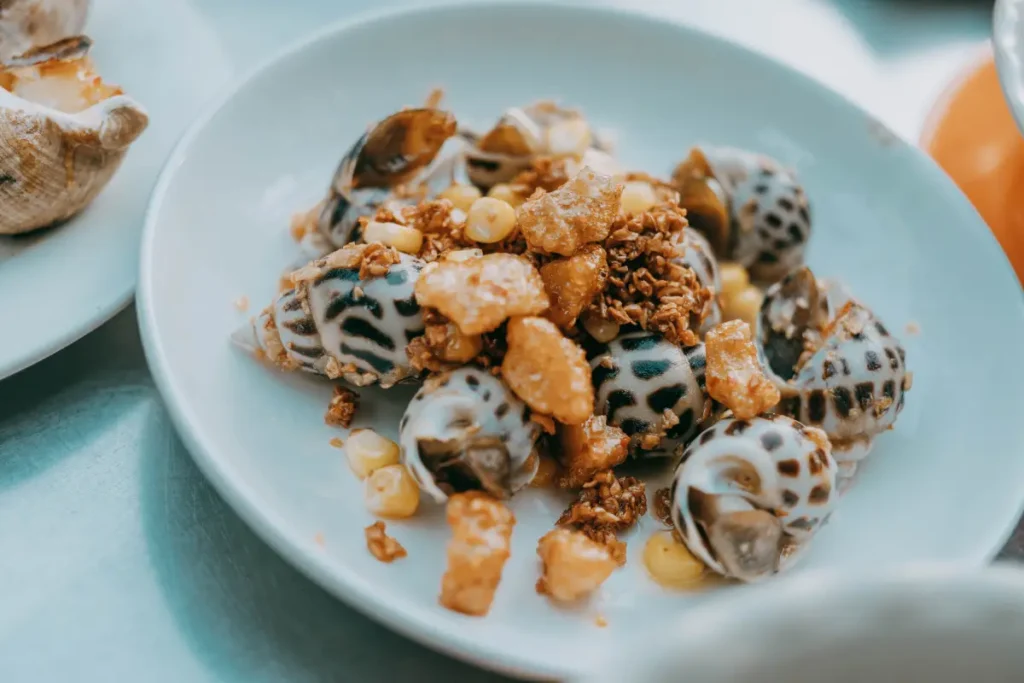
Food is the happy surprise. Eat like a local and it’s very cheap.
Beachfront tables charge extra for the sunset. Walk a few streets inland and the same grilled squid can cost half as much.
Both, with a lean toward cash for small things. Hotels, resorts and bigger restaurants generally accept cards, though some add a small surcharge. Markets, street food stalls, local canteens and scooter rentals are cash-first. Prices are quoted in Vietnamese dong, so pay in dong rather than asking to pay in dollars, which usually gives you a worse rate. ATM withdrawal limits and fees vary by bank, so check yours before you travel and withdraw larger amounts less often.
A rented scooter is the cheapest way to explore if you’re an experienced rider with the right license and insurance. Ride-hailing apps work in the main areas but cost more than on the mainland, and taxis add up fast on long routes. Phu Quoc is bigger than it looks on a map, so plan each day around one area (south, north or town) instead of zigzagging.

If you only have a few days, these are the places that most visitors say made the trip: a cable car that floats over the sea, a theme park and safari on the west coast, a Venice-style town at night, and a handful of beaches and markets that cost almost nothing. Here’s how to sort the splurges from the freebies.
The paid highlights:
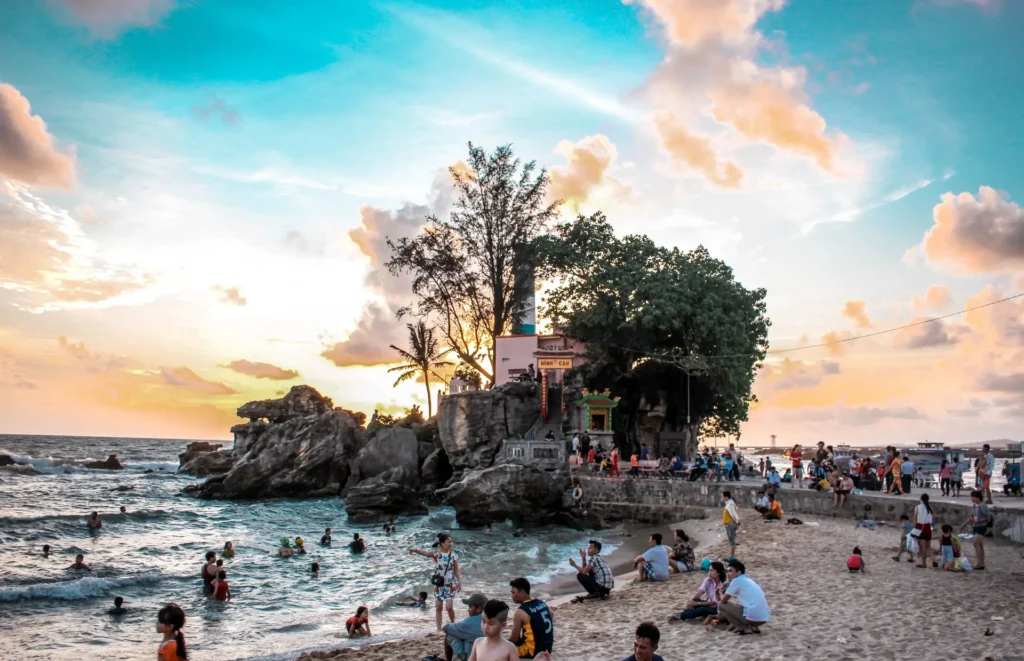
The free (or nearly free) favorites:

Sample daily budgets:
All figures exclude flights. A self-planned 3–4 day trip often lands near $190 per person, and a comfortable mid-range week runs roughly $560–1,050.
Slightly. Hotels and transport carry an island premium of about 10–20%, but local food costs about the same.
Around 5,000,000 VND per person for a self-planned mid-range trip, plus your flight.
Yes, if you stay in simple rooms, eat local and skip the pricey attractions.
Not at all. For a beach holiday in Southeast Asia, it remains one of the best-value options. Mid-range accommodation and local food are noticeably cheaper than equivalent tourist spots in Phuket or Koh Samui.

Phu Quoc isn’t cheap by Vietnamese standards, and it won’t wreck your budget by regional ones. Decide what you care about most, whether that’s a great room, a great seafood dinner or simply good value. Spend there, and save everywhere else.



Explore our Phu Quoc Island Tours to discover the best beaches and attractions.