


Travel Tips
Deep Sea Fishing Phu Quoc: Epic Tips for a Perfect Trip
Are you an adventure seeker looking to conquer the ocean? While Phu Quoc is famous for its relaxing...
Your Paradise Awaits — Discover the Best of Phu Quoc Island!

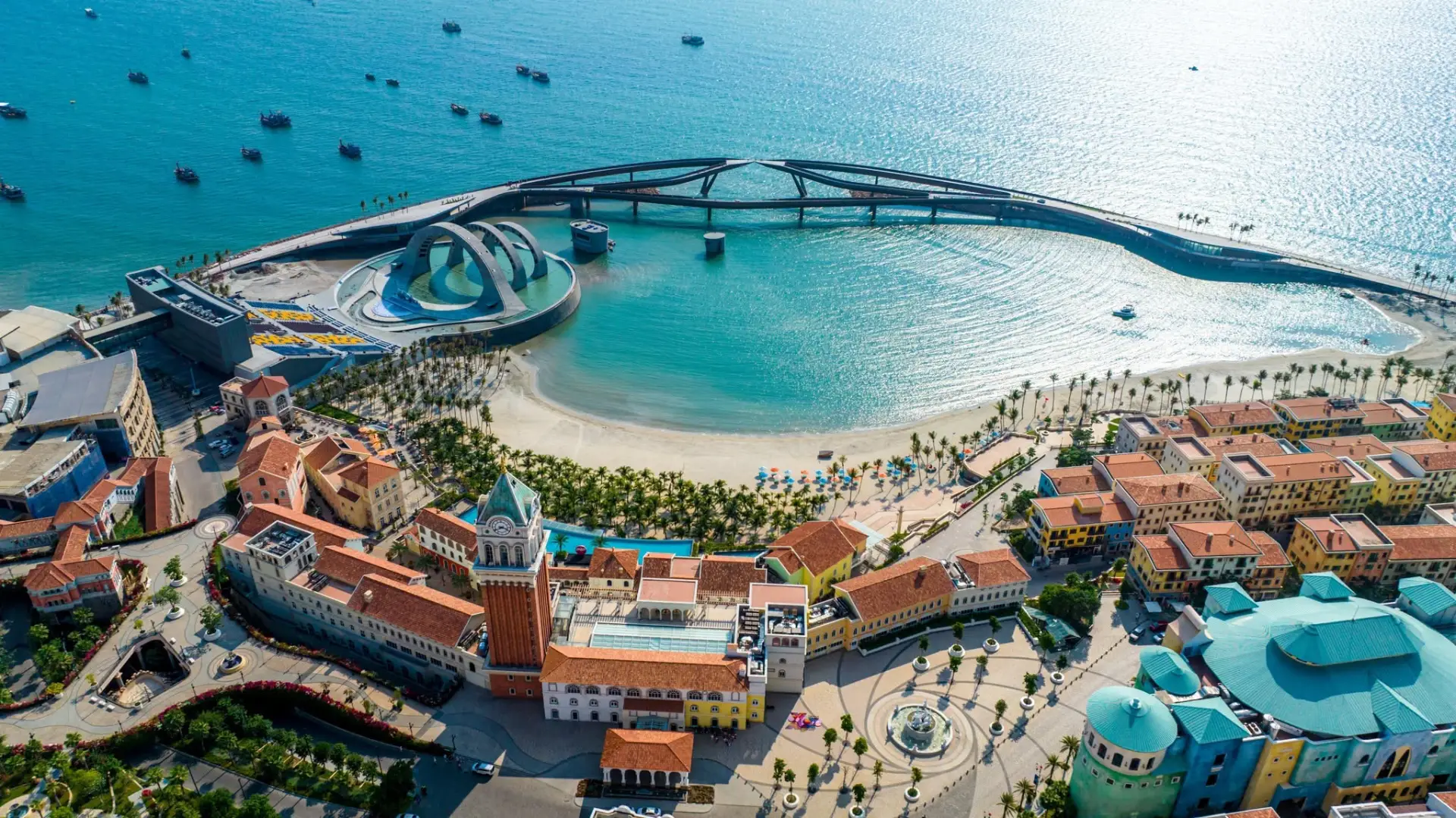
Ask anyone who has been to Phu Quoc and they’ll tell you the same thing: the island looks like two different places depending on the month. In February it’s glassy turquoise water and a sky with barely a cloud. In August it can be a gray, drizzly afternoon followed by a spectacular, steamy sunset.
So before you book flights, it’s worth knowing how Phu Quoc weather really behaves, and what it means for the one thing most visitors come for: a day out on the water. This guide covers the seasons, month by month conditions, and when a Phu Quoc island tour is at its best.

Phu Quoc has a tropical monsoon climate with two clear seasons: a dry season from November to April and a rainy season from May to October. Temperature barely changes through the year. What changes is rainfall, so that’s what you plan around.
On a typical day, expect warm, humid conditions with highs around 29–32°C. The island gets roughly 2,400–3,000 mm of rain a year, almost all of it in the rainy season.

The best time to visit Phu Quoc is from late December to March, when skies are clear, humidity is lower and the sea is at its calmest. January and February are the sweet spot: very little rain, plenty of sunshine and conditions that suit beaches, snorkeling and boat trips.
November and April are good alternatives. They keep most of the sunshine, and they usually come with lower hotel prices and fewer crowds than the peak weeks.


Yes, if you’re flexible and want to save money. The rainy season brings fewer crowds, lower hotel rates and lush green scenery. Rain usually arrives in short, heavy bursts, so mornings are often clear enough for activities.
The trade-offs are real, though. The sea can be rougher, some boat trips may be rescheduled or canceled, and underwater visibility drops after heavy rain. If beaches and island hopping are your top priority, aim for the dry season. If you care more about value and a relaxed pace, the rainy season can still deliver a good trip.

The best time for a Phu Quoc island tour is the dry season from November to April, with December to March offering the calmest water and clearest views. In those months, speedboat and snorkeling trips run smoothly and the water around the southern islands is at its most inviting.
A shared full-day island-hopping tour typically costs about $26–60 per person, while a private speedboat runs $100 and up. During the rainy season, tours still operate on many days, but operators may change routes or cancel if the sea is too rough. A few habits help:


What is the weather like in Phu Quoc?
It’s tropical, with a dry season from November to April and a rainy season from May to October. Temperatures stay warm all year, around 29–32°C by day.
When is the best time to visit Phu Quoc?
Late December to March is ideal, with the least rain and calmest sea. November and April are good shoulder-season alternatives.
When is the rainy season in Phu Quoc?
From May to October, with the heaviest rain between July and September.
Is the sea warm enough to swim in all year?
Yes. The sea stays around 27–30°C all year, so it’s swimmable every month, though visibility is better in the dry season.
Can I do a Phu Quoc island tour in the rainy season?
Often, yes, but trips may be rescheduled or canceled in rough weather. Book a flexible tour and leave a buffer day.
What is the hottest month in Phu Quoc?
April and May are usually the hottest, with highs that can reach the mid-30s.

Phu Quoc weather is simple once you know the rule: dry from November to April, wet from May to October, warm all year. Pick the dry season for the clearest skies and the smoothest island tour, or choose the rainy season for lower prices and fewer people, and plan a flexible schedule. Either way, bring a rain jacket, because a tropical shower is never far away.




Explore our Phu Quoc Island Tours to discover the best beaches and attractions.

